
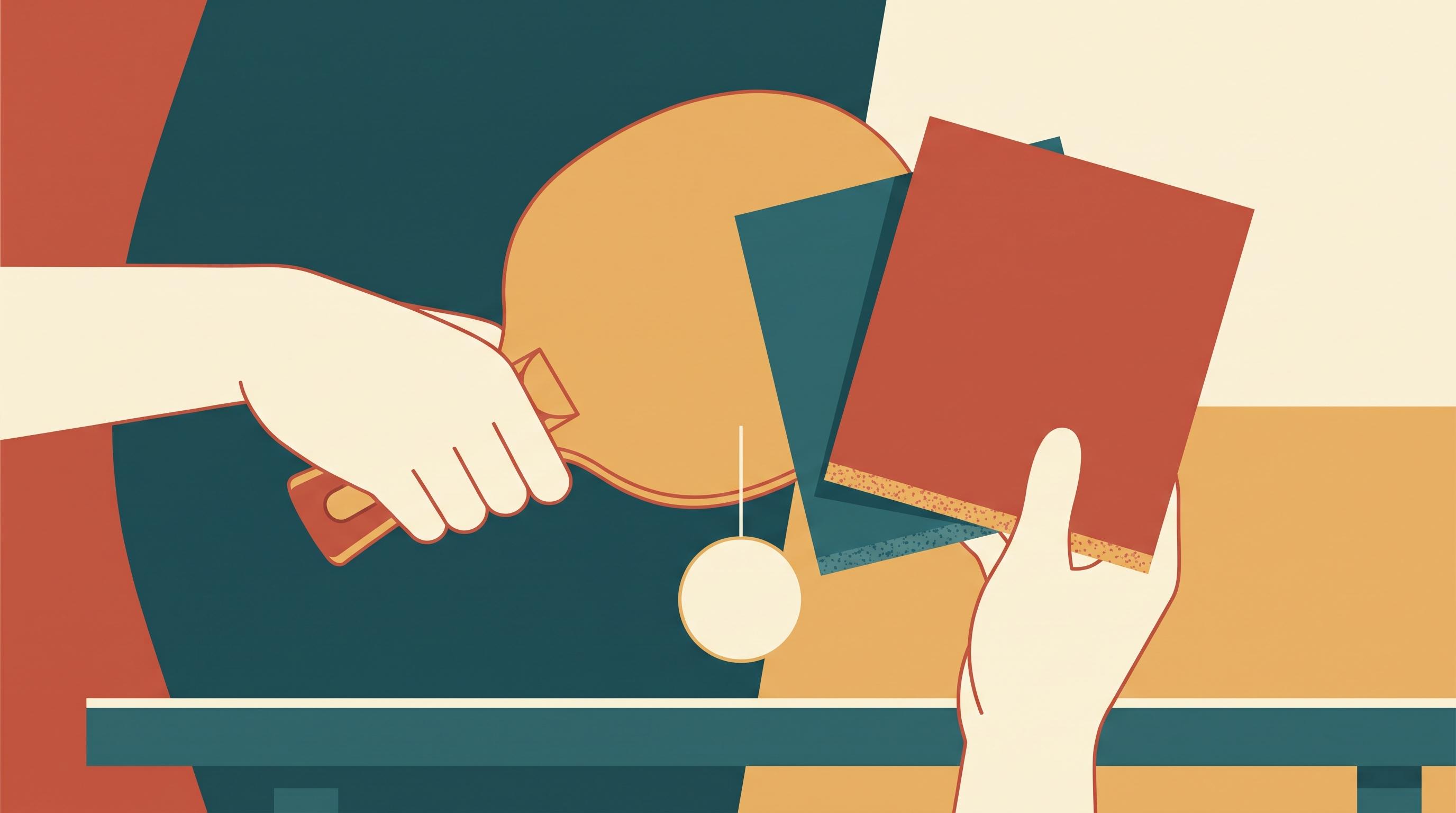
Premade or Custom Table Tennis Racket?
A good racket is about the parts you get, not who assembled it. When a premade racket makes sense, when custom is worth it, and how to test either one...
4 min read
24 Nov, 2026
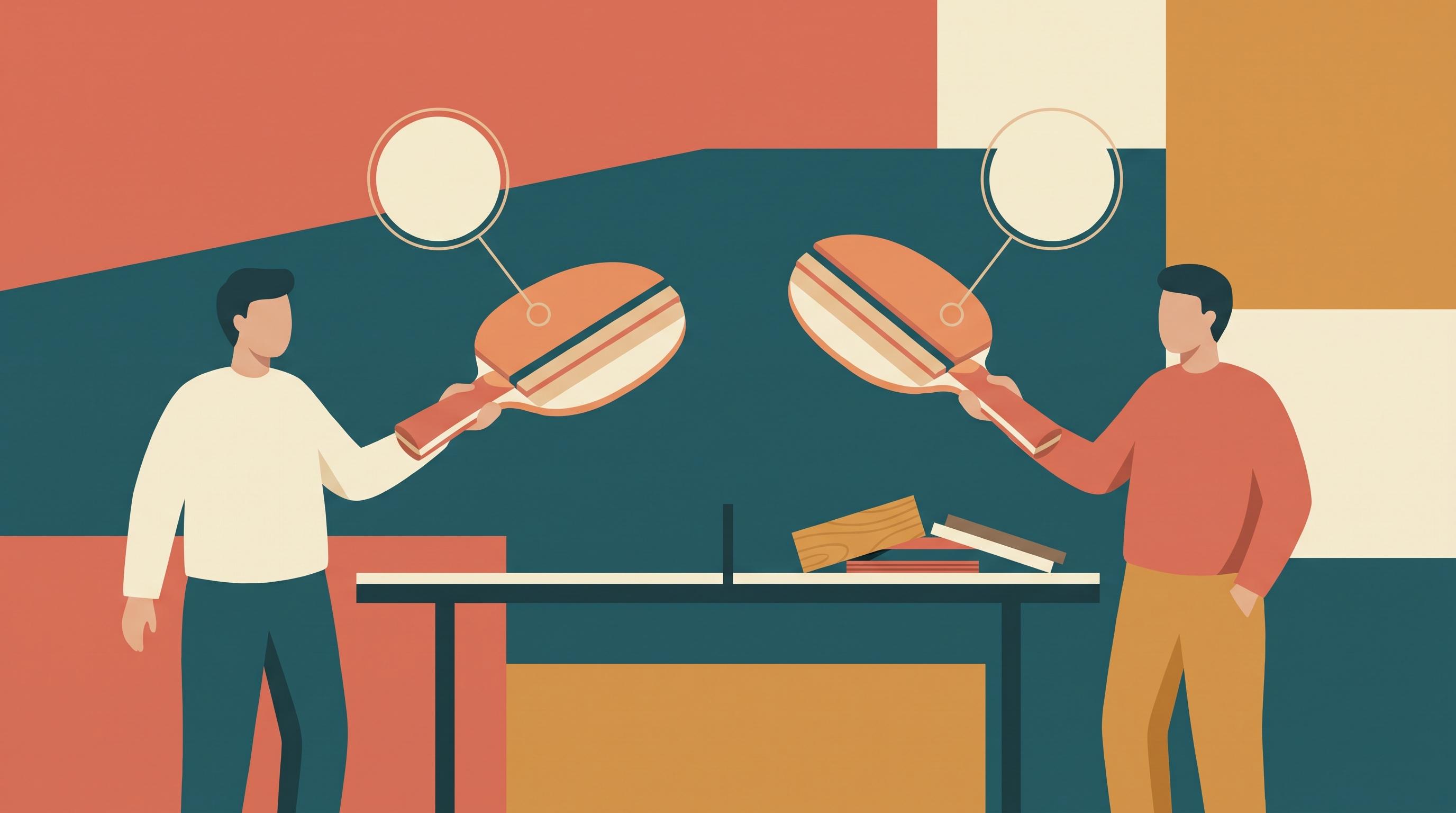
Carbon is a construction material, not an automatic upgrade. A suitable all-wood blade can remain useful well beyond the beginner stage, while a composite blade can be appropriate when its particular response fits the player.
Choosing well means comparing actual blades with relevant rubbers. The word carbon cannot tell you the speed, feel or handling of a complete racket on its own.
Many composite blades combine wooden plies with reinforcing fibre layers. Their position matters. Butterfly distinguishes outer fibre layers just beneath the surface veneer from inner fibre layers nearer the core, and describes different playing characteristics for the two arrangements. Butterfly inner and outer construction
Wood species, ply thickness, total thickness, head size, handle and mass add further differences. Two blades with the same ply count are not necessarily interchangeable.
Do not assume that every outer composite is extremely fast. Butterfly's own range includes Outerforce models described as moderate-speed blades focused on ease of use. That product example illustrates why construction labels need context. Butterfly blade range
Before buying, name the problem with your existing blade. Is the handle uncomfortable? Is the racket too heavy? Do controlled blocks repeatedly overshoot? Do you want a different sensation during a committed opening loop?
The more specific the question, the more useful a trial becomes. Asking whether carbon is better encourages a general answer that may not fit the racket you own or the shots you use.
Make sure the rubbers are clean and serviceable before blaming the blade. A worn topsheet can change your confidence in contact without any deterioration in the wood underneath it.
Test short receive, push, opening, block and recovery. Strong forehand exchanges are useful, but they should not dominate the trial. The blade must remain manageable when you are late or facing an unfamiliar serve.
If possible, borrow blades with the same rubber model and thickness. Keep the ball and practice conditions stable. Record which contacts feel easier and whether that feeling produces a measurable improvement in placement or consistency.
Also consider total racket mass and balance. Two blades with similar published weights may produce different complete setups if head size and the required rubber area differ. Ask for the actual sample weight when it matters to you.
A manageable all-wood model is a practical starting point because it can simplify the choice and leave room in the budget for training. It is not the only possible route, and all-wood models themselves cover a wide range of responses.
Likewise, a coach may recommend a particular composite for an individual player. Evaluate the recommendation in context rather than applying a blanket ban on carbon. A moderate blade with well-chosen rubbers may be more manageable than an all-wood blade fitted with an unsuitable combination.
There is no compulsory progression from five-ply wood to seven-ply wood to carbon. Changing construction is worthwhile when it addresses a need, not simply because you have played for another year.
Once you find a comfortable blade with the response you need, keep it stable while you learn. A familiar platform makes rubber comparisons easier too. You can then judge a future blade change against a clear baseline rather than against the excitement of trying something new.
A good racket is about the parts you get, not who assembled it. When a premade racket makes sense, when custom is worth it, and how to test either one...
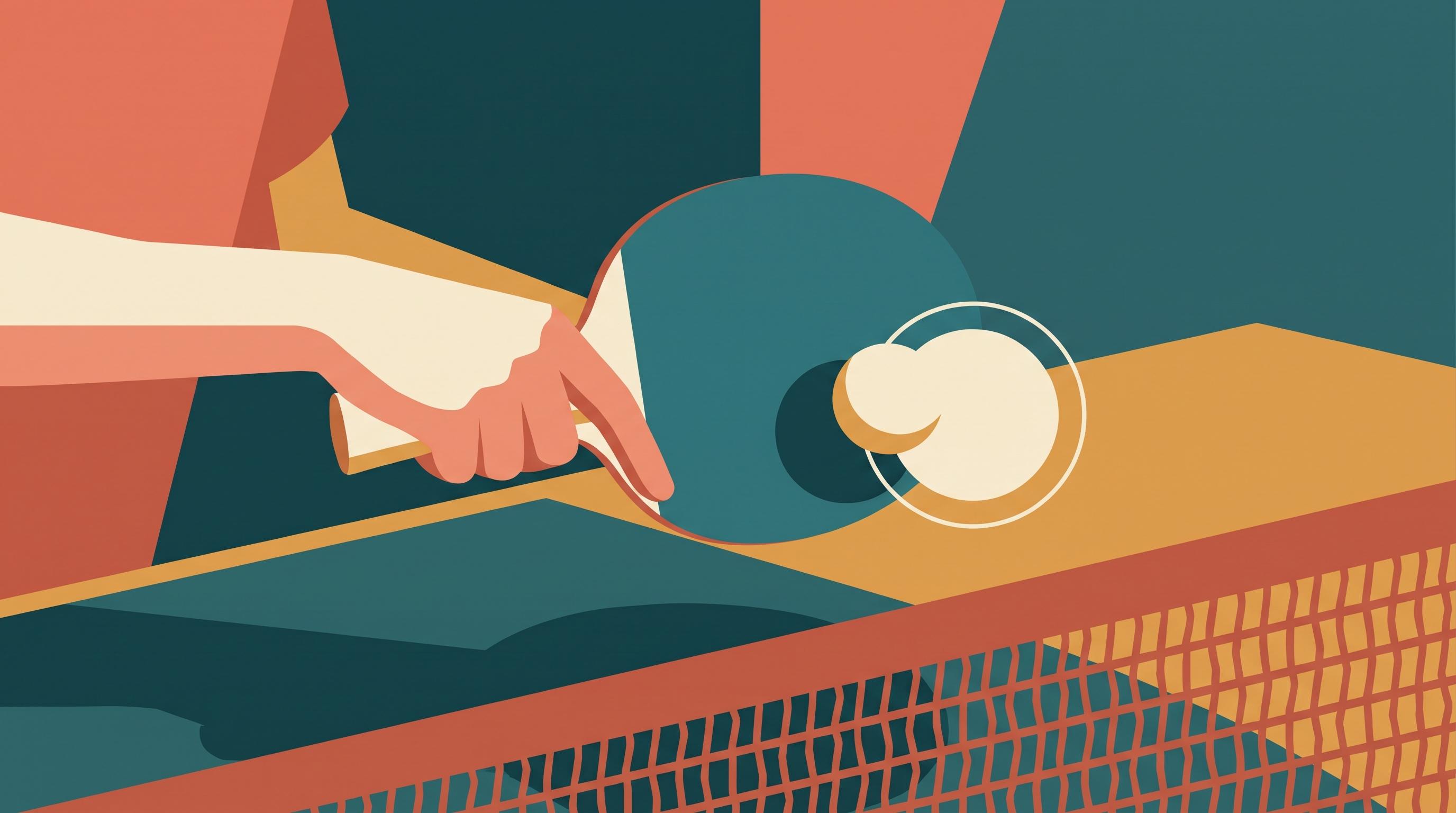
Balls flying long do not automatically mean the racket is too fast. How to tell an equipment problem from a technique problem, and how to test it fair...
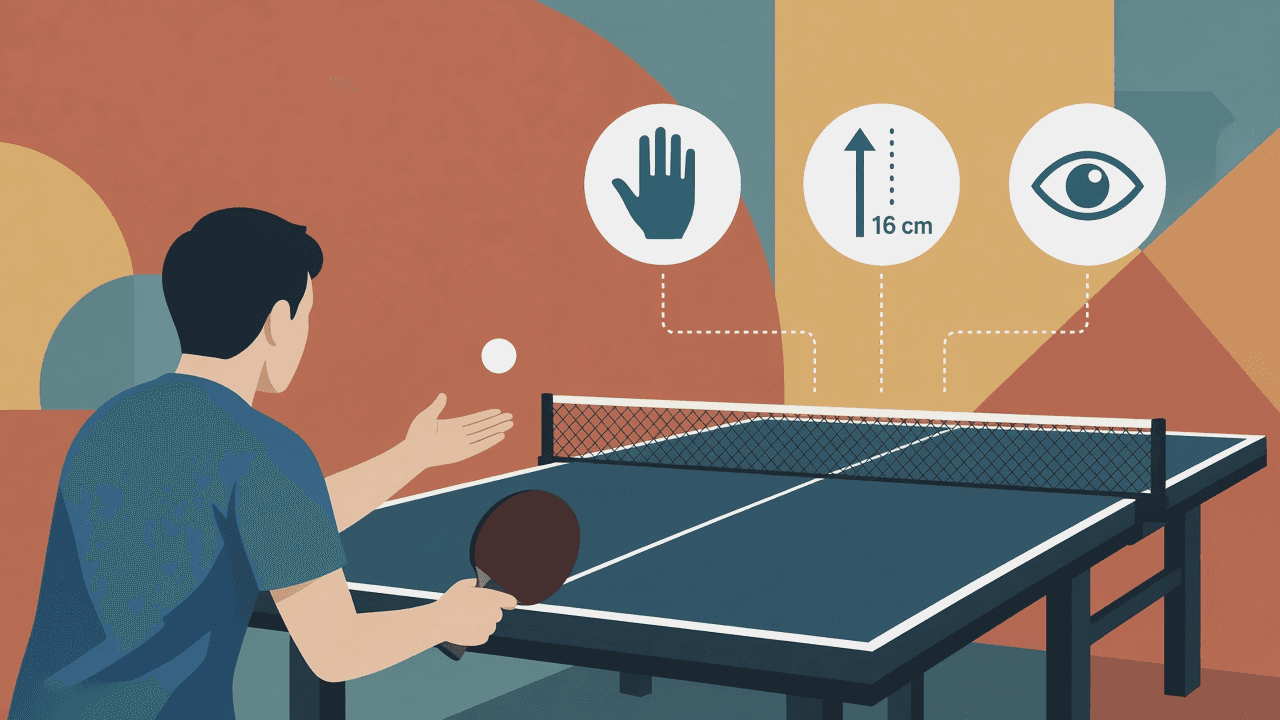
Open palm, 16 cm toss, ball visible, bounce on your side then theirs. The practical checklist for a legal table tennis serve — club play included.
A good racket is about the parts you get, not who assembled it. When a premade racket makes sense, when custom is worth it, and how to test either one...
A good racket is about the parts you get, not who assembled it. When a premade racket makes sense, when custom is worth it, and how to test either one...
Balls flying long do not automatically mean the racket is too fast. How to tell an equipment problem from a technique problem, and how to test it fair...
Balls flying long do not automatically mean the racket is too fast. How to tell an equipment problem from a technique problem, and how to test it fair...
Open palm, 16 cm toss, ball visible, bounce on your side then theirs. The practical checklist for a legal table tennis serve — club play included.
Open palm, 16 cm toss, ball visible, bounce on your side then theirs. The practical checklist for a legal table tennis serve — club play included.
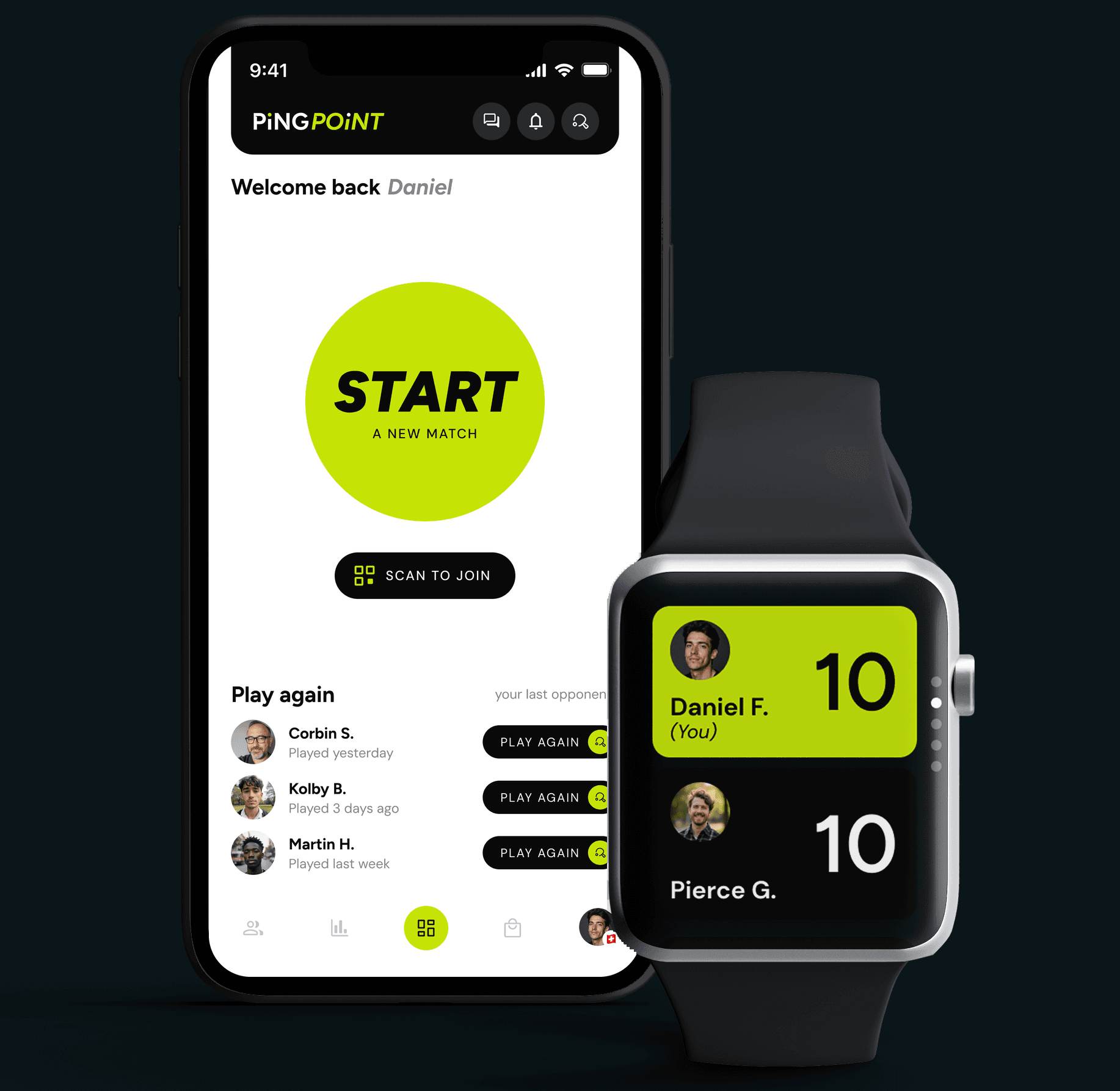
Download the app and take your game everywhere: on mobile, tablet, or smartwatch.