
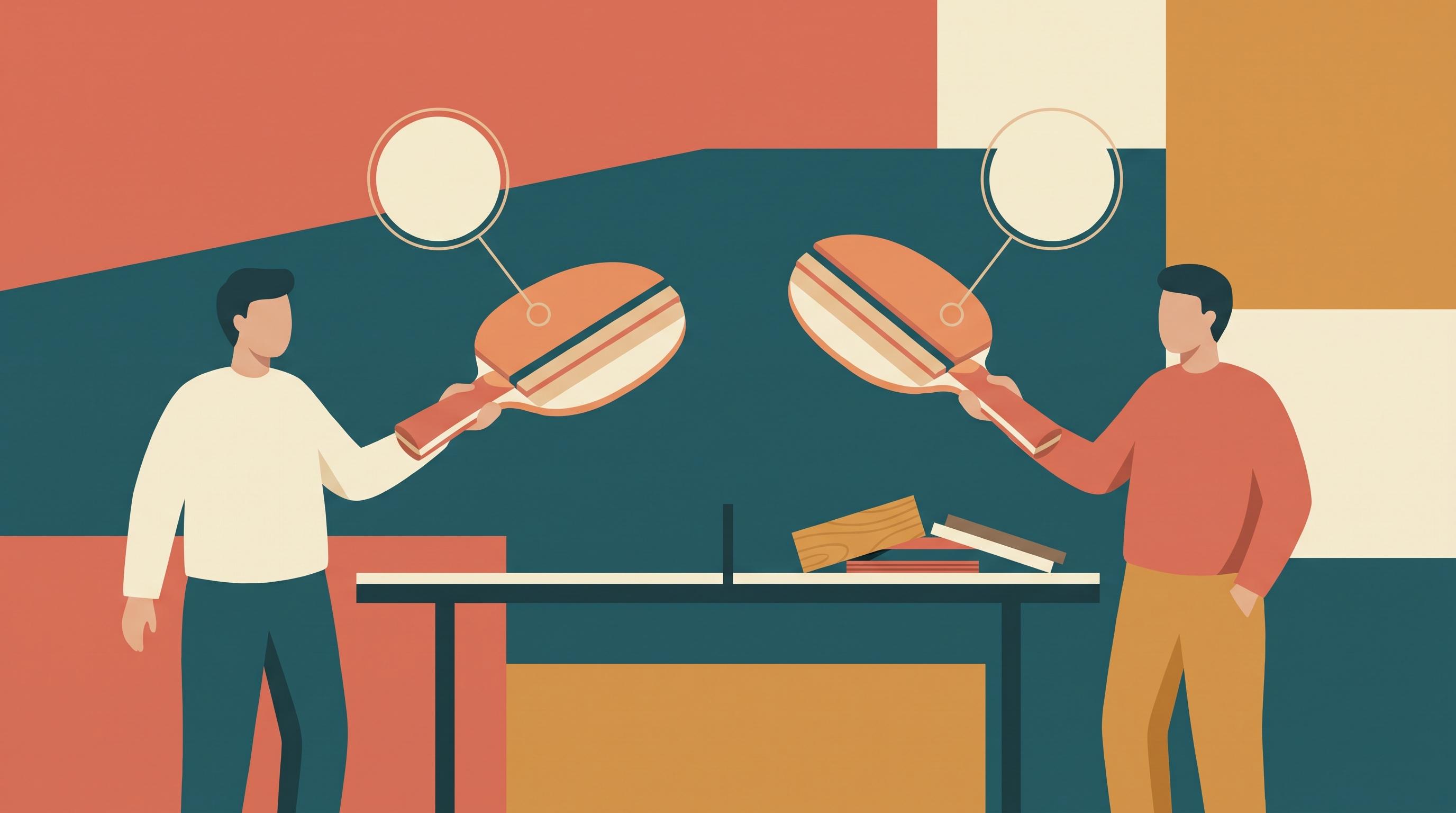
Wood or Carbon Table Tennis Blade?
Carbon is a material, not an upgrade. How blade construction changes the feel, why all-wood is not only for beginners, and how to compare blades prope...
3 min read
23 Nov, 2026
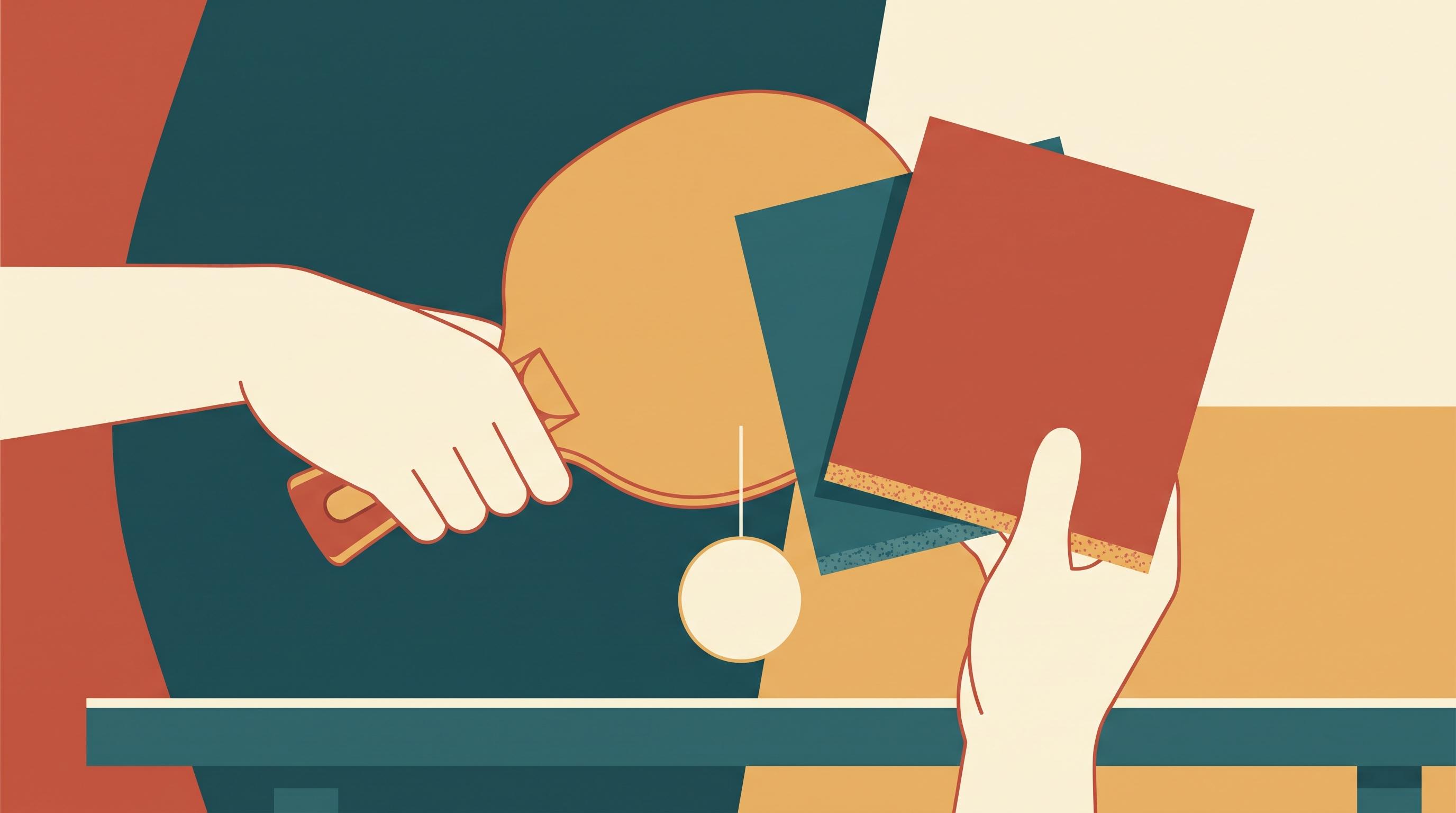
A beginner needs a racket with usable grip, manageable response and a comfortable handle. Either a well-chosen premade or a custom setup can provide that. The question is what components you receive and whether they suit you, rather than who performed the assembly.
The word premade covers everything from basic recreational bats to serious ready-to-play products. Custom can mean a carefully selected learning racket or an expensive combination that is difficult to control. Neither label guarantees suitability.
A factory premade arrives as a complete product. A specialist preassembled combination may use separately sold blades and rubbers selected by the shop. A fully custom order lets you choose the components, with assembly performed either by you or the retailer.
For example, Butterfly's equipment FAQ discusses ready-assembled combinations and the ability to replace rubber yourself. Its assembly guidance also notes that some retailers provide a rubber-fitting service. Ready to play and replaceable are therefore not opposing ideas. Butterfly equipment FAQ, Butterfly assembly advice
Ask whether the particular product is designed for routine rubber replacement. Some basic rackets are impractical to renovate economically. You should not assume that every complete racket has that limitation, or that every attractive blade is worth rescuing.
Try to produce a low push, a controlled drive and a simple serve with spin. If the surface slips despite appropriate contact, ask a coach to check the grip and condition. If a modest block launches uncontrollably, assess whether the response suits your stage of development.
Handle fit matters as well. Hold the racket naturally and change between forehand and backhand. A handle that is uncomfortable in your normal grip is not improved by a high speed rating.
Do not spend the whole trial hitting winners. Test the short game, recovery and contact when you are slightly late. The equipment has to support the ordinary points as well as the best stroke of the session.
For occasional social play, a suitable complete racket is convenient and avoids unnecessary component decisions. A good specialist learning model can also provide a straightforward starting point for coached practice.
Check the exact product and its replacement options. Ask what happens when the rubber wears out and whether the blade, handle and total weight are suitable. Stars printed on a racket are not the same thing as ball grades, and should not be treated as an independent international performance ranking.
Custom becomes useful when you have a clear need: a particular handle, replaceable sheets, a controlled response or different requirements on the two sides. It does not require advanced ability, but benefits from informed selection.
Tell your coach or retailer your current experience, typical training and budget for future rubber changes. Ask for an explanation of the recommendation, rather than selecting the fastest components within budget. Hodges' coaching advice cautions against excessively fast setups that encourage abbreviated, compensating strokes. Choosing racket speed
Compare total ownership cost, including replacement sheets and assembly if needed. Leave room in the budget for court time or instruction. An affordable racket you understand is more useful for evaluating progress than a succession of untested combinations.
If you already own a usable racket, take it to the club before replacing it. Have someone inspect the rubber and watch you play. A precise recommendation based on your actual contact is a better purchase guide than a universal instruction to buy premade or custom.
Carbon is a material, not an upgrade. How blade construction changes the feel, why all-wood is not only for beginners, and how to compare blades prope...
Balls flying long do not automatically mean the racket is too fast. How to tell an equipment problem from a technique problem, and how to test it fair...
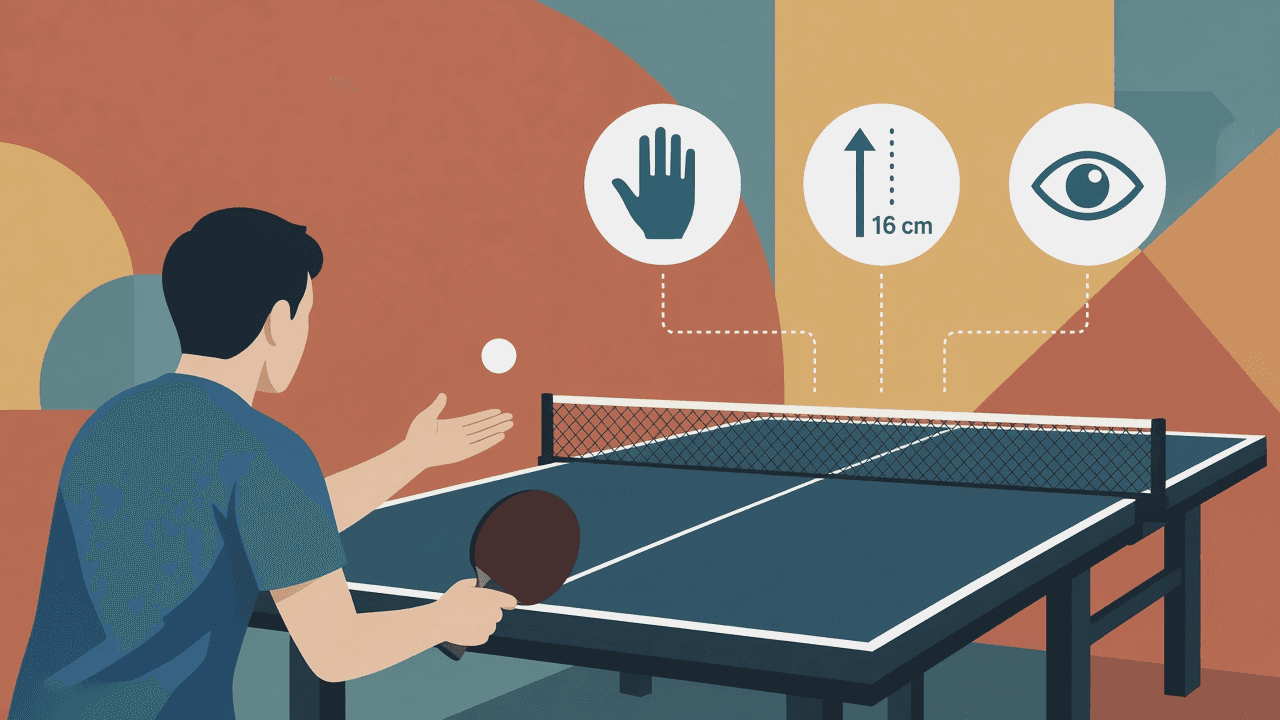
Open palm, 16 cm toss, ball visible, bounce on your side then theirs. The practical checklist for a legal table tennis serve — club play included.
Carbon is a material, not an upgrade. How blade construction changes the feel, why all-wood is not only for beginners, and how to compare blades prope...
Carbon is a material, not an upgrade. How blade construction changes the feel, why all-wood is not only for beginners, and how to compare blades prope...
Balls flying long do not automatically mean the racket is too fast. How to tell an equipment problem from a technique problem, and how to test it fair...
Balls flying long do not automatically mean the racket is too fast. How to tell an equipment problem from a technique problem, and how to test it fair...
Open palm, 16 cm toss, ball visible, bounce on your side then theirs. The practical checklist for a legal table tennis serve — club play included.
Open palm, 16 cm toss, ball visible, bounce on your side then theirs. The practical checklist for a legal table tennis serve — club play included.
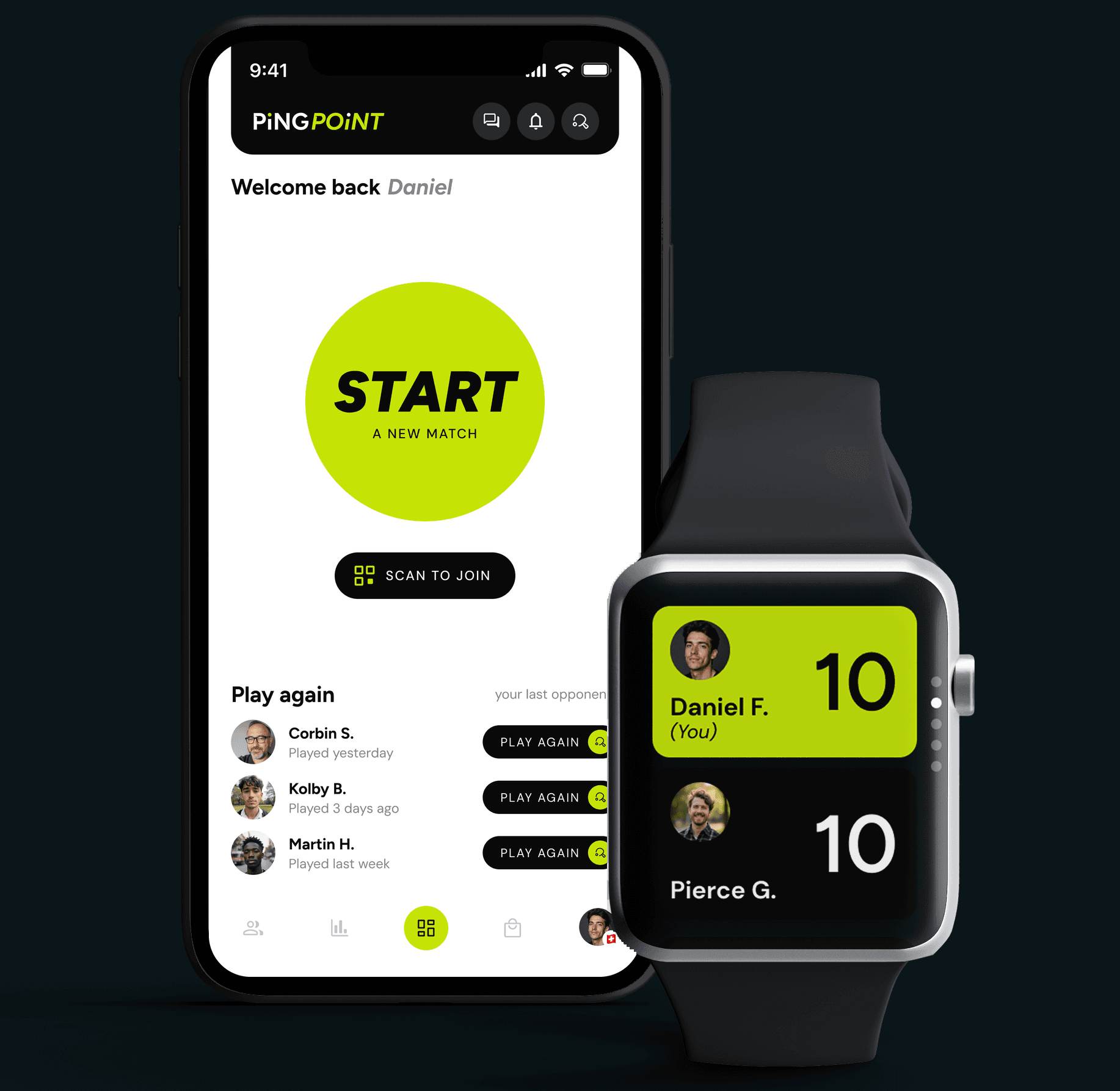
Download the app and take your game everywhere: on mobile, tablet, or smartwatch.