
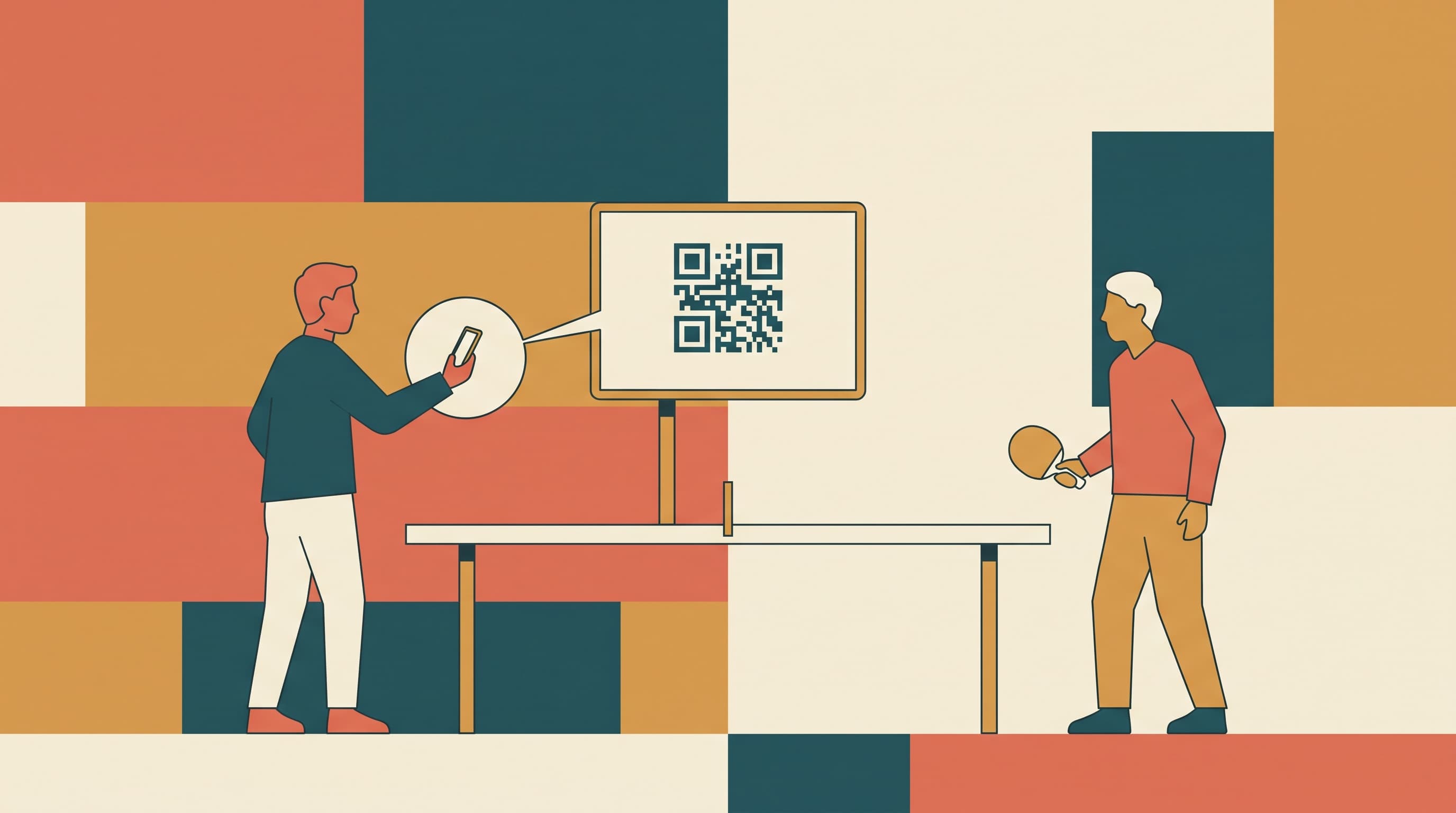
Start a Match by Scanning the QR Code on the Screen
Every PiNGPOiNT club screen shows a QR code. Scan it and the match starts on that table — no names to type, no table to pick.
2 min read
29 Oct, 2026
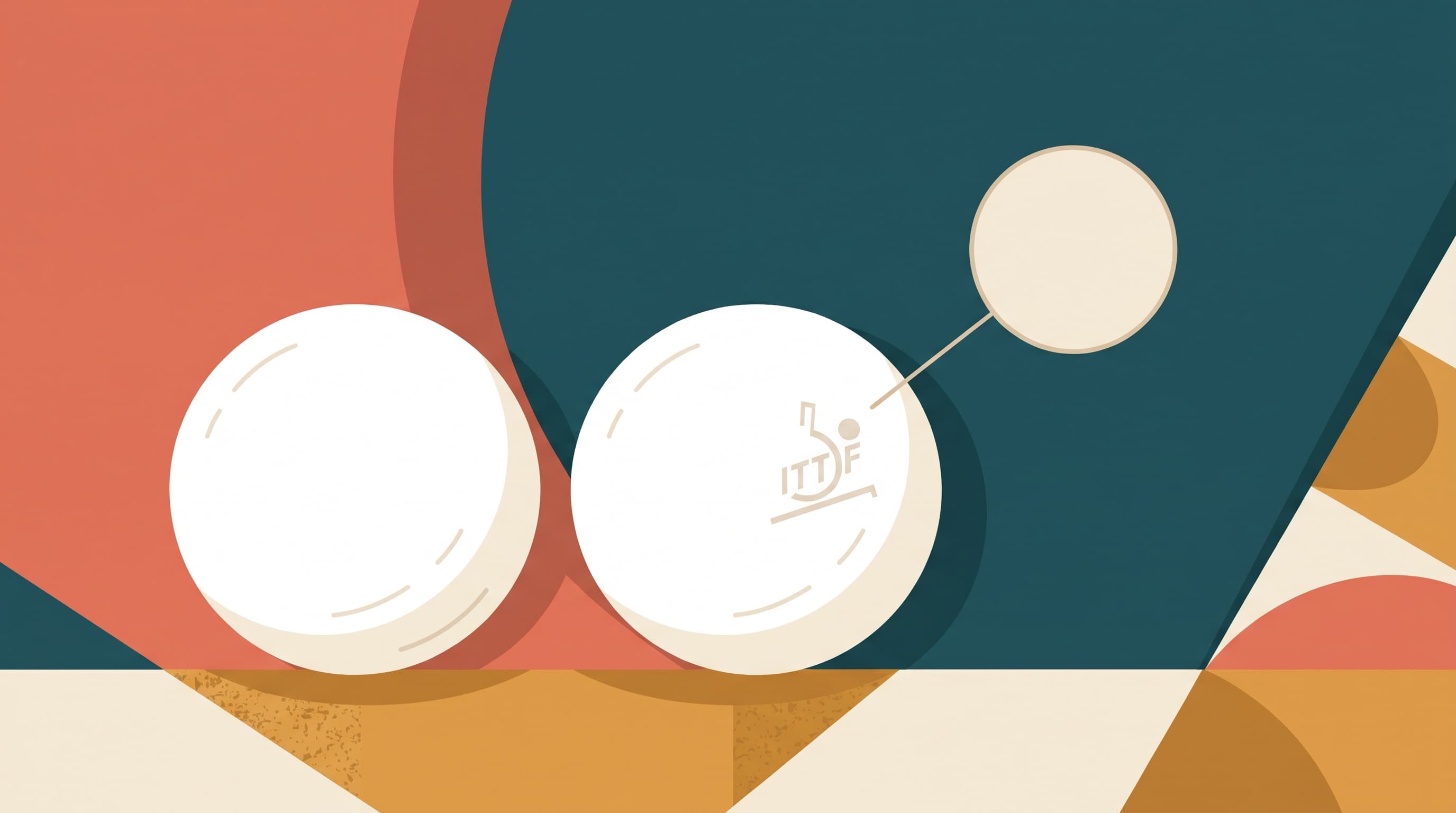
Put a match ball and a cheap training ball side by side and you may not be able to tell them apart. Same size, same white, same matt finish. The difference is that one of them has been tested by the ITTF and the other has not, and the ball and its box both tell you which is which if you know where to look.
A match ball is one that is on the ITTF's approved list. To get there, a manufacturer sends in a sample, and 24 balls are tested against limits on weight, size, roundness, bounce, hardness and how straight the ball rolls. Every ball has to weigh between 2.67 and 2.77 grams, for example, and bounce back to between 240 and 265mm when dropped from 305mm onto a steel block.
Approval is not for life. The list is reissued every calendar year, and some approvals come with an expiry date partway through it. The list issued in January 2026 has a little over a hundred balls on it from 65 brands.
A training ball is simply any ball that is not on that list. That does not make it bad. Some training balls are very good, and plenty of clubs train with them happily. It means nobody independent has checked it, so one box may play quite differently from the next.
The stars are the manufacturer's own grading, not the ITTF's. The ITTF's only rule about them is a ceiling: if a ball is graded with a number, it may not go higher than three.
In practice, the stars are a good first filter:
An approved ball carries a stamp, and the ITTF is strict about what goes in it. It must contain four things and nothing else:
The whole stamp has to fit inside a 25mm square and be printed in no more than two colours, the same on every ball of that brand.
So a ball with no ITTF mark on it is a training ball, whatever the box says. Balls made for a particular event may also carry a second stamp on the opposite side.
The box has to repeat what is on the ball, and an approved ball's box must show the ITTF logo. It may add the country of the company's headquarters and technical details, but no false claims.
Every box of approved balls also carries a date code, which the ball itself never does. It is four capital letters: two for the month and two for the year. The letters A to I stand for the numbers 1 to 9, and X stands for 0. So:
It is worth a glance. Balls do age, and a box that has sat on a shop shelf for years is not the same as one made last spring.
The rules close a loophole that would otherwise make all of this useless. An approved ball's brand name may not be used for any other ball, and above all not for an unapproved one. All balls under that name must be of the same quality. A manufacturer that sells an unapproved ball looking like its approved one, close enough to be confused with it, can lose the approval.
So a training ball cannot simply be the match ball without the testing. If it is called something different, it is something different.
The approved list is on the ITTF's equipment database at equipments.ittf.com, under balls. Each entry shows the brand, the product name, whether it has a seam, its approval code and any expiry date. The printable version of the list also gives the colours of each ball's stamp, which is a useful check against copies.
A few things the 2026 list shows:
Every PiNGPOiNT club screen shows a QR code. Scan it and the match starts on that table — no names to type, no table to pick.
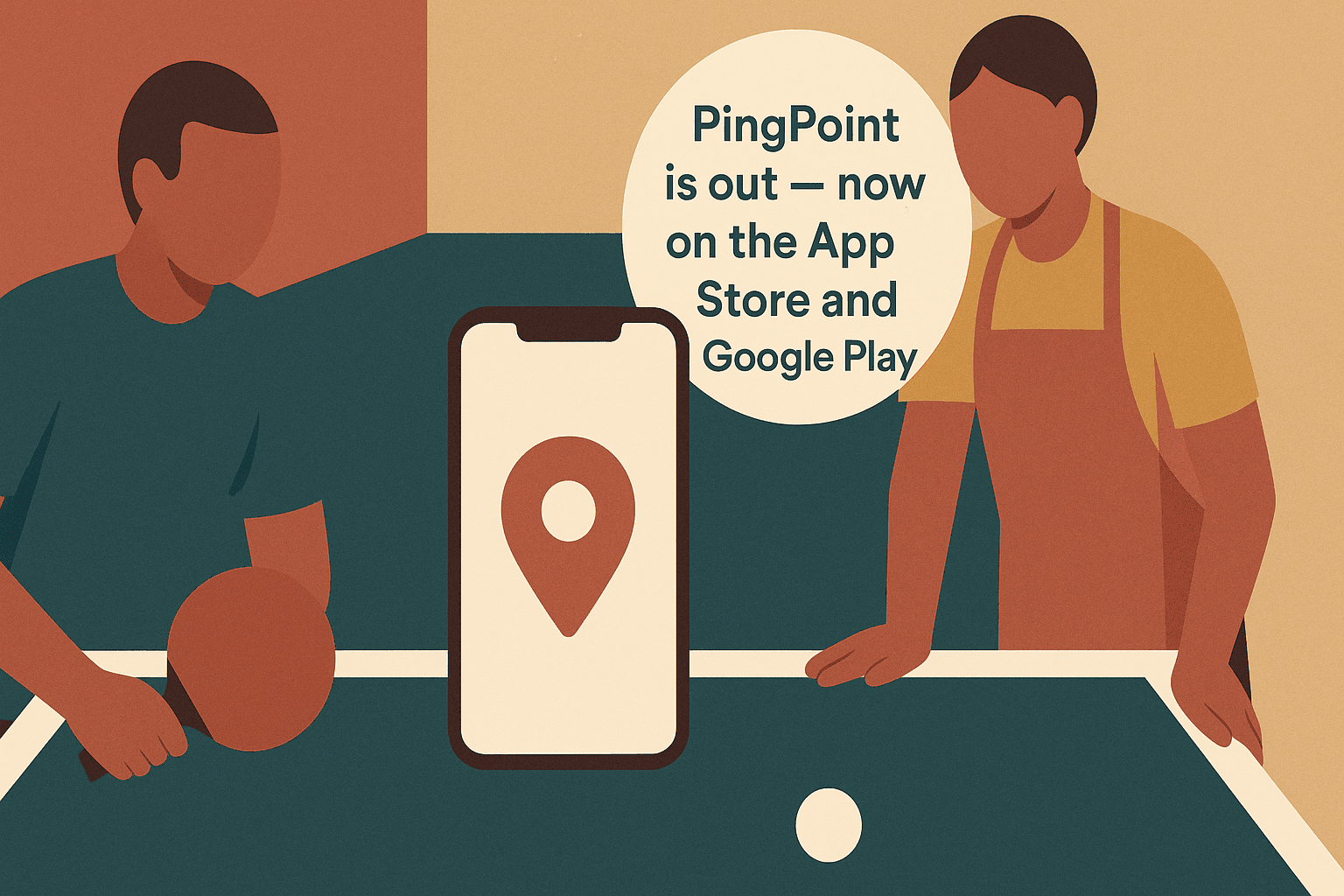
After a year of work the app has been approved and is on both stores. The shop is open too.

Apple and Google have approved PingPoint for external testing. Anyone can install it now — here are the steps for iPhone, Apple Watch, Android and Wea...
Every PiNGPOiNT club screen shows a QR code. Scan it and the match starts on that table — no names to type, no table to pick.
Every PiNGPOiNT club screen shows a QR code. Scan it and the match starts on that table — no names to type, no table to pick.
After a year of work the app has been approved and is on both stores. The shop is open too.
After a year of work the app has been approved and is on both stores. The shop is open too.
Apple and Google have approved PingPoint for external testing. Anyone can install it now — here are the steps for iPhone, Apple Watch, Android and Wea...
Apple and Google have approved PingPoint for external testing. Anyone can install it now — here are the steps for iPhone, Apple Watch, Android and Wea...

Download the app and take your game everywhere: on mobile, tablet, or smartwatch.